


Bartolito Play & Learn
0.00.00 Reviews
App Specs
- Version
- 0.1.3
- Updated On
- License
- Free
- Downloads
- 10,000+
- Developer
- Puro Digital and Studio SL
- Categories
- Educational
- Platform
- Android
Screenshots
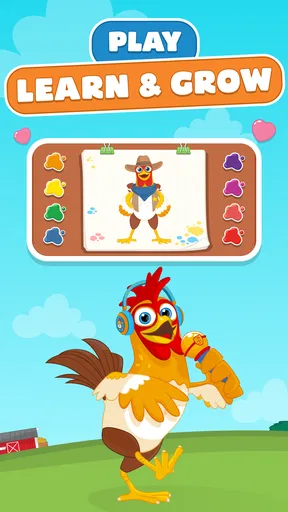
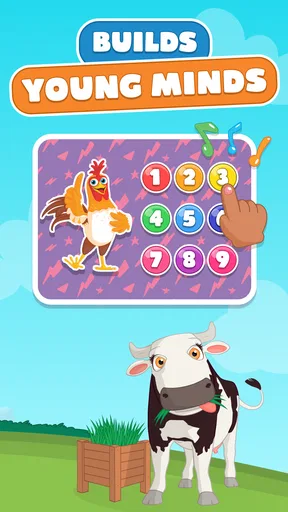
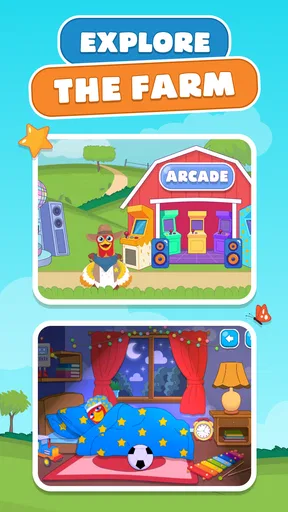
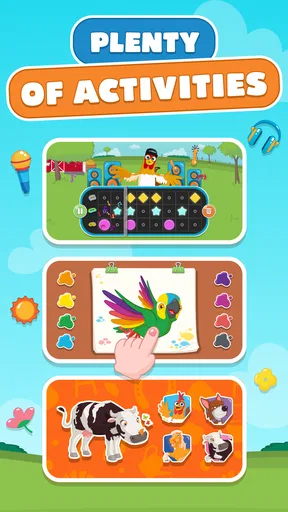
 Analysis by AppCompare
When I’m choosing a game for a young child, I look for a clear reason to keep playing beyond bright colors and familiar characters. Bartolito Play & Learn is an educational game from Puro Digital and Studio SL, built around Bartolito and La Granja de Zenón. Its musical, playful premise should make it easiest to enjoy in short bursts, when a child is ready to tap, listen, sing along, and explore at their own pace.
What makes a first session work
The strongest starting point here is the familiar world: a child who already knows Bartolito has an inviting reason to try the game, while a newcomer can meet the character through play. I’d keep the first session simple. Sit beside the child, let them choose what catches their eye, and see whether the music or the activity itself holds their attention. That quick check is more useful than expecting a young player to follow a long sequence or learn a particular skill in one go.
For a caregiver, the game makes most sense as a shared prompt rather than a substitute for interaction. If a song or animal-themed moment sparks interest, pause and ask the child to imitate a sound, name what they noticed, or sing a line together. That turns a brief screen visit into a small back-and-forth, without requiring the adult to turn play into a lesson. The practical goal is engagement first; any learning benefit is more likely to come from repeating and talking about what the child enjoys.
Progress without pressure
I’d judge progress in a game for very young players by the child’s behavior, not by a score or a checklist. Do they recognize a familiar moment, try an action without help, or ask to hear a song again? Those are useful signs that the experience is connecting. They also give an adult a natural stopping point: once attention starts to wander, there is little value in stretching the session just to complete one more activity.
That approach matters because the appeal of a character-led game can be stronger than its educational depth. A child may return for the music or the familiar farm setting rather than because a task has become harder. I’d treat that as a valid reason to play, while keeping expectations realistic: a short game can encourage curiosity, but it shouldn’t be the only way a child encounters songs, animals, or early concepts.
Challenge and pacing for little players
The best fit is likely a child who enjoys simple, immediate interaction and can explore with an adult nearby when needed. I wouldn’t choose it as a demanding puzzle game for an older child looking for layered rules, complex objectives, or a steadily rising challenge. With a young audience, a gentle pace can be a benefit, but it can also mean that a child who quickly masters basic interactions may want a different kind of game soon.
A useful way to manage that trade-off is to keep play sessions short and let the child lead. Offer the game during a calm moment rather than using it as a reward that must be earned, and watch for whether the child is still actively responding to what’s happening. If they start tapping without looking or lose interest, switch to a song, a book, or a real-world activity instead. That gives the game a defined role without asking it to hold attention indefinitely.
Worth Reading Before You Choose

EA SPORTS FC Mobile 26 Is a Bigger Football Game, but It Takes Time

Flipboard Shows What News Apps Must Do Beyond the Feed

Switching to Android Auto Means Rethinking Your Driving Routine

Google Calendar Makes a Crowded Week Easier to Manage

Ludo King Makes the Most of the Minutes Between Plans

Baby Panda World Brings Quick Play to Modern Phones, but Its Game Library Feels Busy
Who should choose it—and who may prefer something else
For families already fond of La Granja de Zenón, the character connection is an obvious advantage. It can also suit a caregiver who wants a light, child-friendly game to try together, especially when the aim is a cheerful musical break rather than a formal teaching session. I would be more cautious if you need a structured curriculum, detailed learning reports, or a game specifically designed to challenge an older child; those needs call for a more clearly lesson-based or strategy-focused alternative.
Compared with a general early-learning app, a Bartolito-centered game has a narrower identity: the familiar character and musical setting are part of the draw, not just decoration. That can help a fan settle into play, but it may be less compelling for a child who doesn’t know the characters or prefers open-ended activities. Against ordinary videos, interactive play gives a child something to do rather than only watch, though a caregiver should still decide when the screen goes away and a real song or toy is the better choice.
Interactive Learning at Its Best
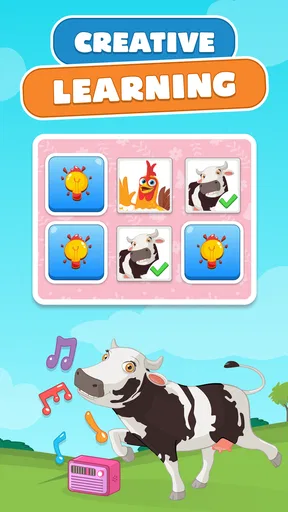
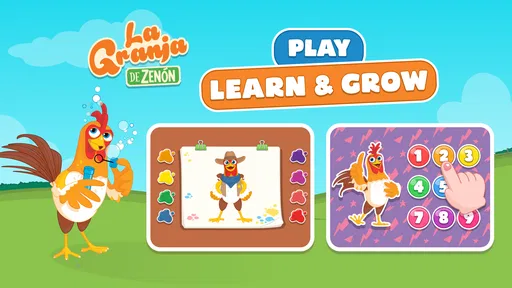
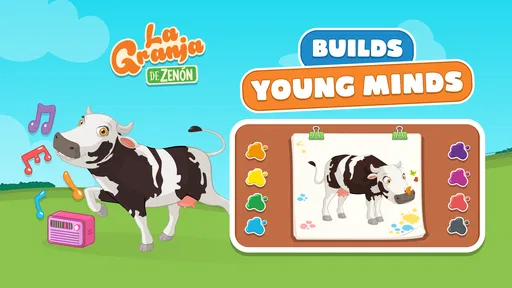
So, what's the deal with Bartolito Play & Learn? Imagine an app that combines fun games, cute animations, and educational content all in one neat package. It's like having a virtual playground that sneaks in learning when kids least expect it. The app offers a variety of activities that cover everything from colors and numbers to animal sounds. Each section is crafted to keep the little ones entertained while gently nudging them towards those lightbulb moments.
One feature that really stood out to me was the way the app uses sounds. Trust me, if you’re around kids, you know how much they love making noise! Bartolito uses this to its advantage by incorporating lively music and sound effects that keep the energy high and the kids engaged. It’s like a symphony of learning happening right in their hands.
Easy Navigation for Tiny Fingers
Now, I’m not the most tech-savvy person, but even I found the app’s interface to be super intuitive. The layout is colorful and straightforward, making it easy for youngsters to navigate on their own. The buttons are large and clearly labeled, which is a big plus. It’s designed with kids in mind, so they can focus on exploring without getting frustrated.
Another great thing about this app is how it adapts to different age groups. Whether your kiddo is just starting to learn numbers or they’re moving on to more complex concepts, Bartolito has something that’ll fit. It’s like having a personal tutor that grows with your child, and I think that’s pretty awesome.
Parental Control and Safety
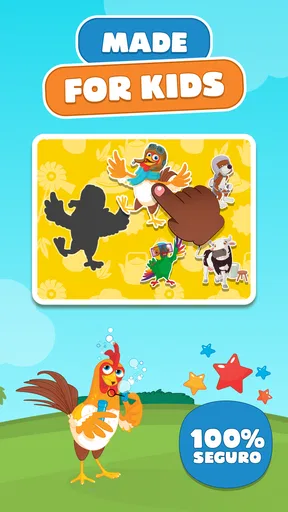
If you’re a parent, you know how important it is to keep tabs on what your child is doing online. Bartolito understands this too, and they've included some nifty parental control features. You can set time limits to ensure screen time doesn’t get out of hand, and there are no ads popping up to distract the kiddos.
The app also doesn’t require an internet connection once it’s downloaded, which is a huge relief. It means kids can use it during car rides or in places where Wi-Fi isn’t available without any worries. Keeping learning accessible anywhere, anytime is definitely a win in my book.
Endless Fun with Bartolito and Friends
Let’s not forget about the characters that bring the app to life. Bartolito and his friends are charming and relatable, which helps in keeping the children hooked. Each character has a unique personality, adding an extra layer of engagement. Kids can join them in various adventures, making learning feel like a thrilling journey rather than a chore.
On top of all this, the graphics are bright and inviting. The animations are smooth, and the attention to detail is evident in every corner of the app. It makes the whole experience even more immersive and enjoyable for the little users.
Cost, compatibility, and a sensible stopping point
The game is free to download, with in-app purchases listed from $4.99 to $59.99 per item. I’d involve an adult before handing over the device, especially if a child can reach purchase controls. A sensible routine is to agree on a play window first, then keep the device with the adult when the session ends. That makes it easier to avoid accidental spending and helps the game stay a short activity rather than an open-ended request.
It is rated Everyone, and the listed minimum operating system is 7.1. The current version is 0.1.3, so I’d check that a device meets the requirement before planning to use it on a trip or handing it to a child. The game has 10K+ installs and a 0.0 average rating, so I would not treat that rating as useful evidence of how it will suit your family. A brief supervised try is a better way to decide.
For an everyday example, I’d save it for a wait at an appointment or a quiet stretch before dinner: open it together, let the child pick a musical activity, and join in rather than leaving them to tap unattended. If the child wants to repeat the same moment, that can be a good chance to sing or copy a sound together. If they become restless, stop there. The point is a pleasant, bounded play break, not filling every pause with a screen.
There is also a useful trade-off in the music-led approach. Sound can make an activity inviting and help a child stay focused, but it may be inconvenient in a quiet waiting room or when other people are sleeping. I’d bring headphones only if the child can use them comfortably and safely with an adult nearby; otherwise, choose a different moment or keep the device put away. A familiar song played together without a screen may be the better alternative when the setting calls for quiet.
Families deciding between this and a broad learning app should consider what they want the child to return for. A larger early-learning collection may be preferable when variety, a more deliberate progression, or a wider set of practice activities is the priority. A physical book, toy animals, or singing together works better when you want conversation and hands-on play. Bartolito’s appeal is more specific: it brings its characters and musical play into an interactive format, which is most valuable when that particular world already interests the child.
One practical tip is to let the child show you what they remember after closing the game. Ask them to sing, make a sound, or point out a color in the room, rather than quizzing them on whether they learned something. This gives you a low-pressure sense of what caught their attention and can lead naturally into offline play. It also helps distinguish a child who is actively engaging from one who simply likes having music in the background.
Wrapping It Up
At the end of the day, Bartolito Play & Learn is more than just an app; it’s a tool that inspires curiosity and fosters learning through play. It’s perfect for parents who want to give their kids an educational edge without sacrificing fun. Whether you need a quick distraction or a consistent learning companion, Bartolito fits the bill.
So, if you’re on the lookout for an app that’ll keep your kids entertained while nurturing their minds, I’d say give Bartolito a spin. It’s a small investment for a whole lot of learning and laughter!
My verdict is to approach it as a character-led musical game for short, supervised sessions, not as a complete learning plan or a way to occupy a child for a long stretch. Puro Digital and Studio SL has a clear audience in children who enjoy Bartolito’s world and respond to sound. If that describes the child you have in mind, a quick trial makes sense; if they need quieter play, deeper challenges, or structured instruction, another option will serve them better.
Pros
- Engaging educational content for kids.
- Colorful and intuitive interface.
- Supports multiple languages.
- Offline access for uninterrupted learning.
- Parental controls for safe usage.
Cons
- Limited content updates over time.
- In-app purchases might be needed.
- Requires significant storage space.
- Not compatible with older devices.
- Occasional app crashes reported.
FAQs for Bartolito Play & Learn
What is Bartolito Play & Learn?
Bartolito Play & Learn is an educational app designed for children, combining fun and learning through interactive games and activities. It features engaging content that helps young users develop cognitive skills, learn new concepts, and enjoy music and stories. The app is available for both Android and iOS devices, making it accessible to a wide audience.
Is Bartolito Play & Learn safe for children?
Yes, Bartolito Play & Learn is designed with children's safety in mind. It contains no inappropriate content and is free from ads that could lead to external websites. The app promotes a safe digital environment for kids to explore, ensuring parents can be confident about the content their children are interacting with.
What age group is Bartolito Play & Learn suitable for?
Bartolito Play & Learn is tailored for children aged 3 to 7 years old. The app includes age-appropriate activities that support early learning and development. It offers various levels of difficulty to match the growing skills and understanding of this age group, making it an ideal tool for preschoolers and early elementary students.
Does Bartolito Play & Learn require internet access?
Bartolito Play & Learn can be used both online and offline. While some features may require internet access, such as downloading additional content or updates, the majority of the app's activities are available offline. This makes it convenient for parents and children to use the app anywhere, without needing a constant internet connection.
Are there in-app purchases in Bartolito Play & Learn?
Bartolito Play & Learn offers a free version with basic features and options for in-app purchases. These purchases can unlock additional content and activities to enhance the learning experience. Parents should be aware of these options and manage them through parental controls to ensure a safe and controlled spending environment.


